There is no single answer to the question of how long a bed lasts that applies to everyone. The materials used in the production of the bed, the spring and foam system, the frequency of use, the body weight of the users, the base on which the bed rests, and regular maintenance habits directly affect the usage period. Generally, a high-quality mattress can last approximately 7–10 years. However, it is not always right to make a replacement decision based only on the mattress's age.
Some mattresses may lose support earlier due to usage conditions, while a mattress made from high-quality materials and used correctly can retain its comfort for a longer period. Therefore, the physical condition of the mattress and how you feel when you wake up are more important than the calendar.
Permanent sagging on the mattress surface, waking up uncomfortably in the morning, frequently changing positions during sleep, or feeling a loss of support in certain areas of the mattress may indicate that the replacement time is approaching. In this guide, you can examine the factors affecting the lifespan of the mattress and the 4 main signs that you need to replace your mattress.
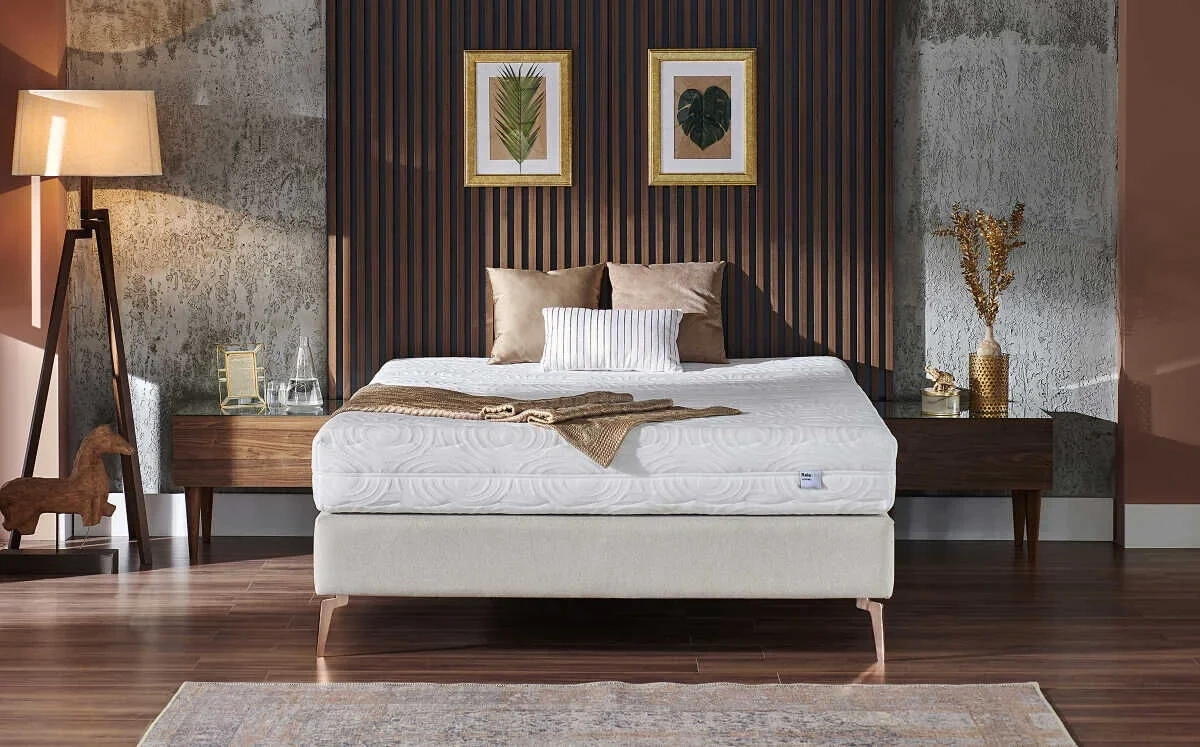
The average lifespan of a bed is generally evaluated between 7–10 years. However, this term is not a definite expiration date. It can be shorter or longer depending on the type of mattress, the quality of the materials, and how it is used.
For example, the wear rate of a mattress used only in a guest room is not the same as a mattress used by two people every night. Similarly, mattresses with strong edge support, dense foam layers, and a quality spring system can maintain their form longer under the right conditions.
The basic factors determining the lifespan of a mattress are:
Therefore, instead of saying that your mattress must be replaced when it reaches the age of 7, it is a more accurate approach to more carefully monitor the support and comfort performance of the mattress from this period onwards.
The warranty period of a mattress is not the same concept as its lifespan. The warranty refers to the period during which certain issues originating from production and materials are covered under the terms determined by the manufacturer. The lifespan is concerned with how long the mattress can meet your personal comfort and support expectations.
When the warranty period of a mattress expires, it does not mean the product becomes unusable. Similarly, it cannot be said that a mattress with a long warranty period will maintain the same comfort under all conditions. Usage, compatibility with the base, maintenance, and changing personal needs over time can affect the mattress's performance.
When making a replacement decision, the current condition of the mattress should be considered rather than just the warranty document. Permanent shape changes on the surface, a decrease in support, and the deterioration of sleep comfort are more decisive signs.
A mattress does not wear out overnight but rather gradually. Therefore, users may get used to the loss of comfort and find it difficult to realize that the mattress no longer provides sufficient support. The following four symptoms indicate that the mattress needs to be scrutinized.
One of the most obvious signs that you need to replace your mattress is the formation of permanent sagging, pits, or waves on the surface. If the surface does not return to its original form after getting up from the bed, there may be wear in the support layers of the mattress.
Especially sagging in the area where the waist and hips are located can make it difficult for the body to be supported evenly throughout the night. The user may move towards the same pit area every night and have difficulty finding a comfortable sleeping position.
A mild usage mark on the surface should be distinguished from real support loss. In mattresses with soft top layers, limited adaptation may occur in the areas touching the body. However, the following situations should be evaluated more carefully:
When these symptoms are observed, the base or bed frame should also be checked, not just the mattress. A broken, bent, or improperly sized carrier surface can cause even a solid mattress to sag.
If you feel discomfort in areas like the waist, back, neck, or shoulders that you did not experience before when you wake up in the morning, you can evaluate the support offered by your mattress. Particularly if the discomfort decreases after getting out of bed and starting movement, the sleep surface may be considered effective.
When a mattress loses its support property over time, some areas of the body may sink more than necessary. Other areas may remain under pressure because the surface does not give enough. This imbalance can cause frequent position changes during the night and make you feel unrested in the morning.
You can observe the following situations:
It should not be assumed that all pains are caused by the mattress. In cases of continuous, severe pain, or those accompanied by symptoms like numbness and loss of strength, a health professional should be consulted. Mattress replacement does not substitute for medical evaluation and treatment.
Even if your mattress looks solid from the outside, your sleep comfort may diminish over time. Waking up frequently during the night, constantly changing positions, or getting up in the early hours due to discomfort may indicate the mattress no longer suits your personal needs.
A change in sleep quality does not always mean that the mattress has physically deteriorated. Age, body weight, daily lifestyle, and personal comfort expectations may change over time. A mattress that you found comfortable years ago may no longer meet your current needs the same way.
In double mattresses, an increase in motion transfer can also affect sleep quality. When spring and support layers lose performance over time, one person's turns may be felt more on the other side of the bed.
The following signs may indicate a decrease in sleep comfort:
If your sleep habits or comfort expectations have changed, you can explore different firmness and support options by checking out Alfemo mattress models to compare alternatives suited to your current needs.
Noises from springs, crushes on the mattress edges, and noticeable wear on the fabric surface may indicate that the mattress has lost performance due to long-term use. Especially if a mattress that was previously quiet starts making noise with movement, it may suggest a problem in the spring system or the supporting base.
When edge support is lost, sitting on the edge of the mattress or sleeping close to the edge may become challenging. This situation narrows the usable sleeping area and reduces comfort in double beds.
The physical signs that need to be checked are as follows:
To determine the source of the noise, you can also check the supporting system by separating the mattress from the base. The problem may stem from loose base connections or broken frame parts, not the mattress itself.
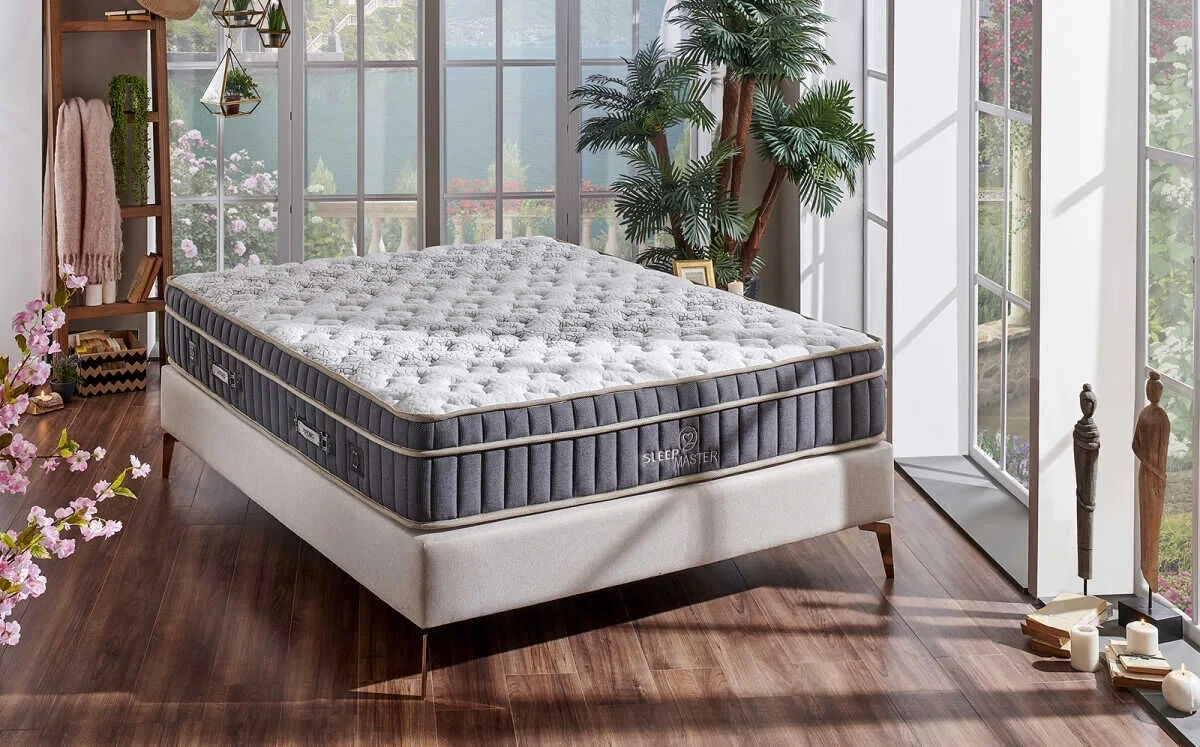
The internal structure of the mattress and the materials used directly affect the performance it will show over time. However, it is not possible to determine a precise usage period by only looking at the type of mattress. Two mattresses of the same type may wear at different rates depending on the material quality and usage.
The durability of spring mattresses depends on the quality, density, connection method of the springs, and the support layers around them. In pocket spring systems, the independent operation of each spring can help distribute body weight at different points and reduce motion transfer.
Springs losing their tension over time can cause sagging, noise, and support differences on the surface. Strong edge support and high-density foam layers aid in maintaining the mattress's form.
The lifespan of foam mattresses is closely related to the density and layer structure of the foam. Low-density materials may soften more quickly, while high-density support foams can maintain their form for longer.
Visco elastic materials adapt to body heat and pressure to create an enveloping feeling. However, if persistent softening or the sensation of constantly sinking into the same spot is felt during the usage process, support performance should be checked.
In mattresses that use springs, foam, and different comfort materials together, each layer assumes a different role. The spring system provides the main support, while the top layers contribute to pressure balancing and surface comfort.
The lifespan of these mattresses depends on the quality and compatibility of all layers with each other. Models with high-density support foams and edge support systems can help maintain the mattress's form.
Mattresses suitable for double-sided use can help distribute surface pressure to both sides when flipped according to the manufacturer's maintenance instructions. Thus, constant loading on the same area can be reduced.
However, not every mattress is suitable for flipping. Since the bottom and top layers of single-sided mattresses are designed for different purposes, they may not be recommended for inverted use. Only the head and foot directions of these products may need to be changed periodically.
The Relax Fit Mattress offers double-sided use in addition to its medium firmness structure and pocket spring system. Its high-density support foam, air-permeable knit fabric, and removable cover provide an advantage for those who want to evaluate long-term use with easy maintenance.
The Borelax Mattress is also designed to help maintain the form of the mattress for a long time with its high-density support foams, edge support system, and suitability for double-sided use.
Proper maintenance can help the mattress maintain its hygiene and comfort performance for a more extended period. However, maintenance practices do not restore a mattress that has entirely lost its support or has been physically damaged to its former state.
The mattress should be used on a solid surface that fits its dimensions perfectly and carries weight evenly. A broken, bent, or excessively wide carrier system can cause deformation even in a perfectly fine mattress.
When buying a new mattress, check the condition of existing base models; ensure that the mattress and base dimensions are completely compatible.
Changing the head and foot direction of the mattress at specific intervals can reduce the concentration of usage pressure on the same area. Double-sided models can also be used flipped if the manufacturer recommends it.
The rotation or flipping interval of the mattress may differ by model, so the product's maintenance instructions should be followed.
A mattress protector can reduce the direct reach of sweat, liquids, stains, and the effects of daily use on the mattress surface. A protector that can be easily removed and washed helps keep the mattress surface more hygienic.
Ventilating the bedroom helps remove the moisture formed during sleep. Leaving the mattress open for a while during bedding changes can also support air circulation on the surface.
Applying sudden and high force to a specific point on the mattress can damage springs and support layers. Especially children jumping on the mattress creates much higher localized pressure than regular sleep use.
Folding mattresses that are not suitable for folding can cause permanent damage in spring and layer structures. The conditions specified by the manufacturer should be followed during transport and storage.
A mattress pad or topper can temporarily change the surface comfort. It can add a softer feel to a mattress that feels too firm but still maintains its support or can reduce minor comfort differences on the surface.
However, if the main support system of the mattress has collapsed, the topper does not solve this issue. An additional layer used to cover a permanent pit will also tilt towards the same area over time. Therefore, if the following conditions are present, mattress replacement should be considered instead of using a topper:
The sagging or tilting of the mattress is not always due to the structure of the product itself. If the carrier surface underneath the base is damaged, the mattress may also adapt to this tilt.
Pay attention to the following points during the check:
If the surface improves when the mattress is separated from the base, the issue may be related to the carrier system. If there is damage in both the mattress and base, it would be more accurate to evaluate the two products together.
When you decide to replace your old mattress, you should re-evaluate your current sleep needs instead of only purchasing a similar model. Your body structure, sleep position, and firmness preference may have changed over the years.
When choosing a new mattress, you can compare the following criteria: