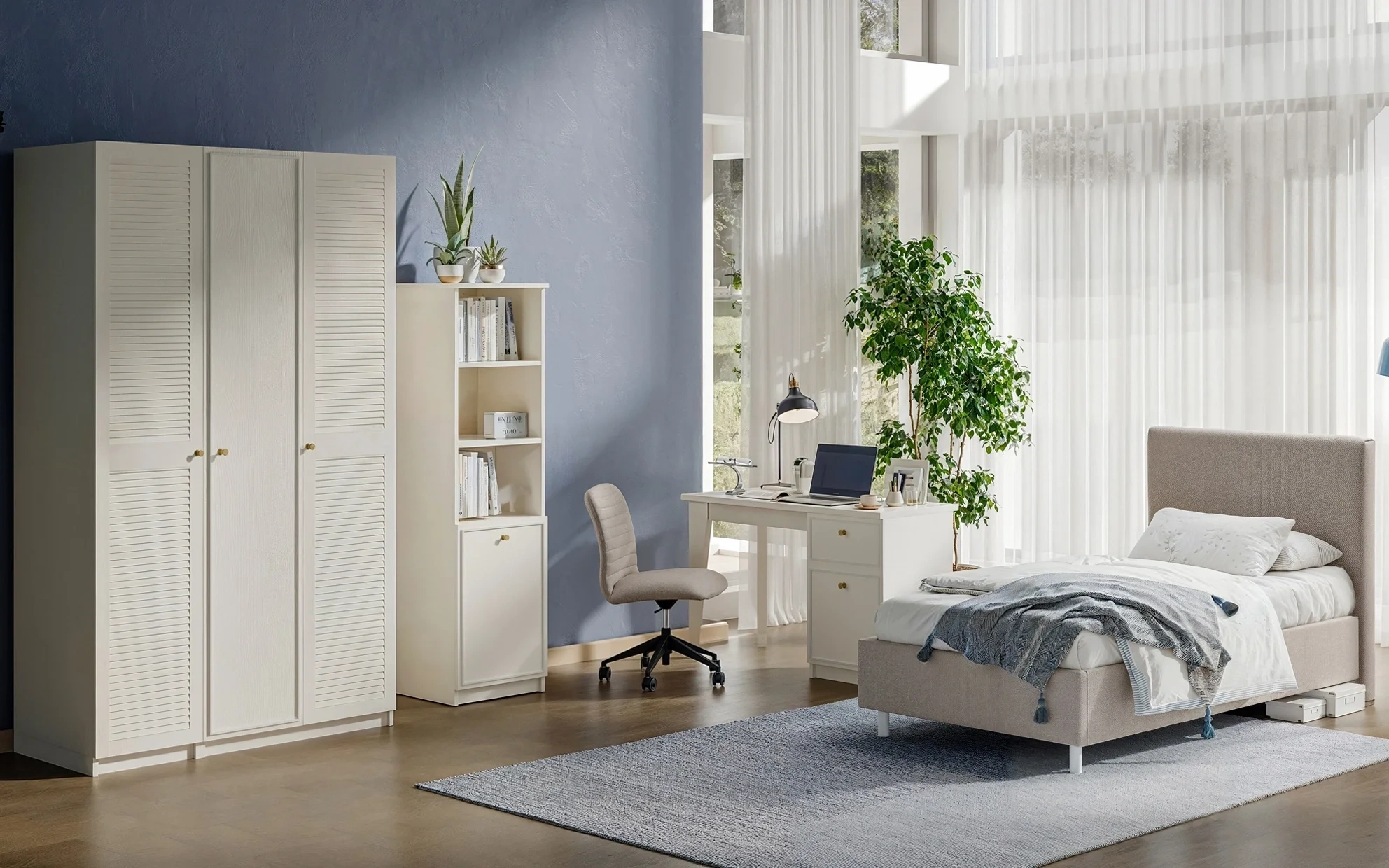
Choosing the right mattress is important not only for a more comfortable sleep at night but also to feel more energetic and comfortable throughout the day. A mattress that does not suit your body type, sleeping position, and personal comfort expectations can lead to problems such as frequent waking, difficulty finding a comfortable position, and waking up tired in the morning. Therefore, when selecting a mattress, you should pay attention not only to the firmness or price but also to the support system, materials used, size, and your sleep habits.
There is no single "best mattress" model for every user. While some people prefer a more balanced and medium-firm surface, others may feel comfortable in a mattress that contours more to the body. To make the right decision, you should first understand your own needs and then compare different mattress features. In this guide, you can explore the key points to consider when choosing the right mattress step by step.
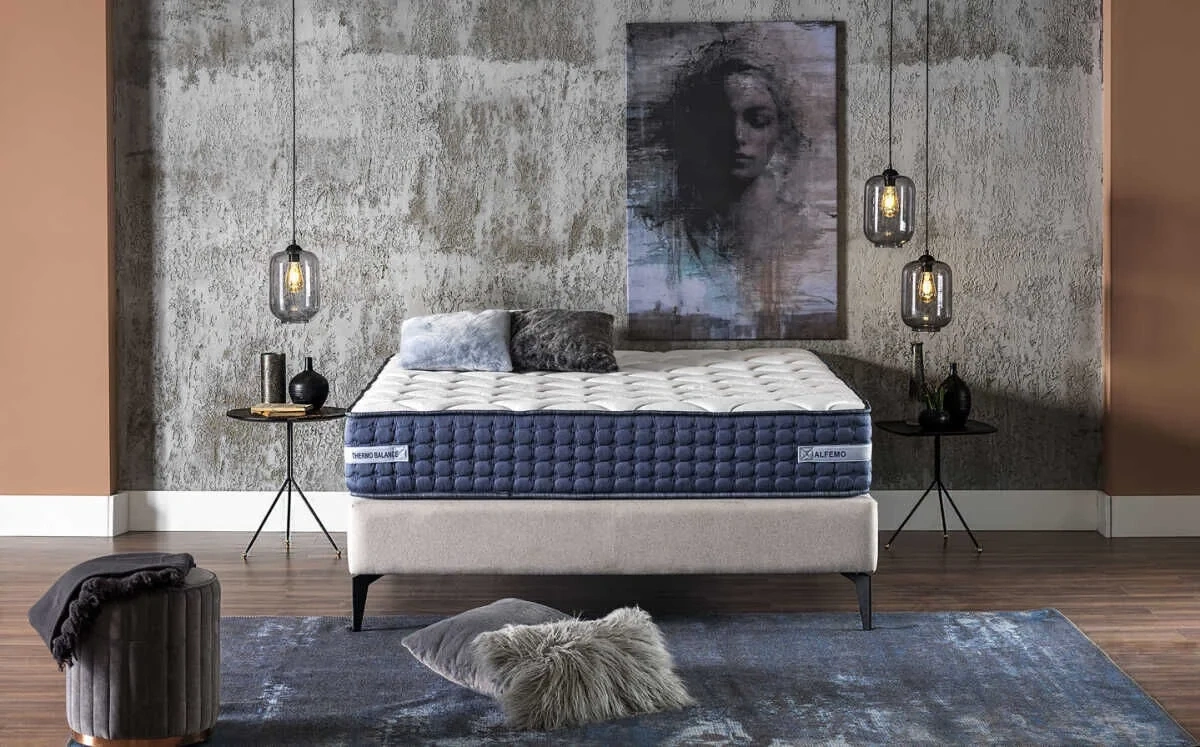
For the body to rest during sleep, the natural posture of the spine should be supported, and body weight should be distributed evenly on the mattress surface. If the mattress is too firm, it can cause discomfort in pressure points such as the shoulders, hips, and lower back. A mattress that is too soft, on the other hand, may result in the body sinking uncontrollably into the mattress and disturbing the sleeping position.
The ideal mattress should support the natural curves of the body rather than trying to keep it on an entirely flat surface. This way, a more balanced sleeping position can be maintained throughout the night. Since the same mattress is expected to be used for a long time, choosing a mattress should be considered a long-term investment in living space rather than a short-term comfort decision.
A properly chosen mattress can contribute to a more comfortable sleep experience in the following ways:
Therefore, before purchasing a new mattress, while exploring Alfemo mattress models, it is important to consider not just the exterior appearance of the product but also its inner layers and support features.
Choosing a mattress is a personal process. A model that is extremely comfortable for another user may not suit your sleep habits. Therefore, when comparing products, several fundamental criteria should be evaluated together.
Body weight directly affects the pressure on the mattress surface and how much the mattress will flex. Light users may not feel enough flexibility on the surface of a firm mattress. Users with a higher body weight may not get the support they need from a too-soft mattress.
Therefore, mattress firmness should not be evaluated merely as "firm" or "soft." How the mattress handles weight, edge support, spring system, and the density of the foams used should also be considered. For double use, the body weight and comfort expectations of both individuals should be evaluated together.
Sleeping position is one of the most determining factors in choosing the right mattress. This is because the support needs of back, side, or stomach sleepers differ from each other.
When selecting a double mattress, not only the size but also motion isolation is important. If one partner frequently moves during the night, it may affect the other's sleep. Individually operating pocket spring systems can help limit the spread of motion on the mattress surface.
For single use, the room size, the user's height, and the space needed for movement during sleep should be considered. By comparing single mattress models and double mattress models in different sizes, you can determine options that suit your living space.
One of the most frequently asked questions in mattress selection is whether the mattress should be firm or soft. However, mattress firmness is not in itself an indicator of quality. What matters is achieving the right balance between the firmness level of the mattress and body support.
A mattress that is too firm may create pressure on areas like the shoulders and hips by not adapting sufficiently to the body's curves. A mattress that is too soft can cause the lower back and hip areas to sink lower than necessary, making it difficult to find a balanced position during sleep.
Medium-firm mattresses are preferred by a wide range of users because they offer a balance between softness and support. However, the perception of medium firmness may vary from person to person. The spring technology, foam density, and top surface material of the product directly affect perceived firmness.
For example, the Balance Support Mattress, with its medium-firm structure and zoned pocket spring system, helps provide balanced support to different regions of the body. Models with pocket spring technology can be considered where motion isolation is important in single or double use.
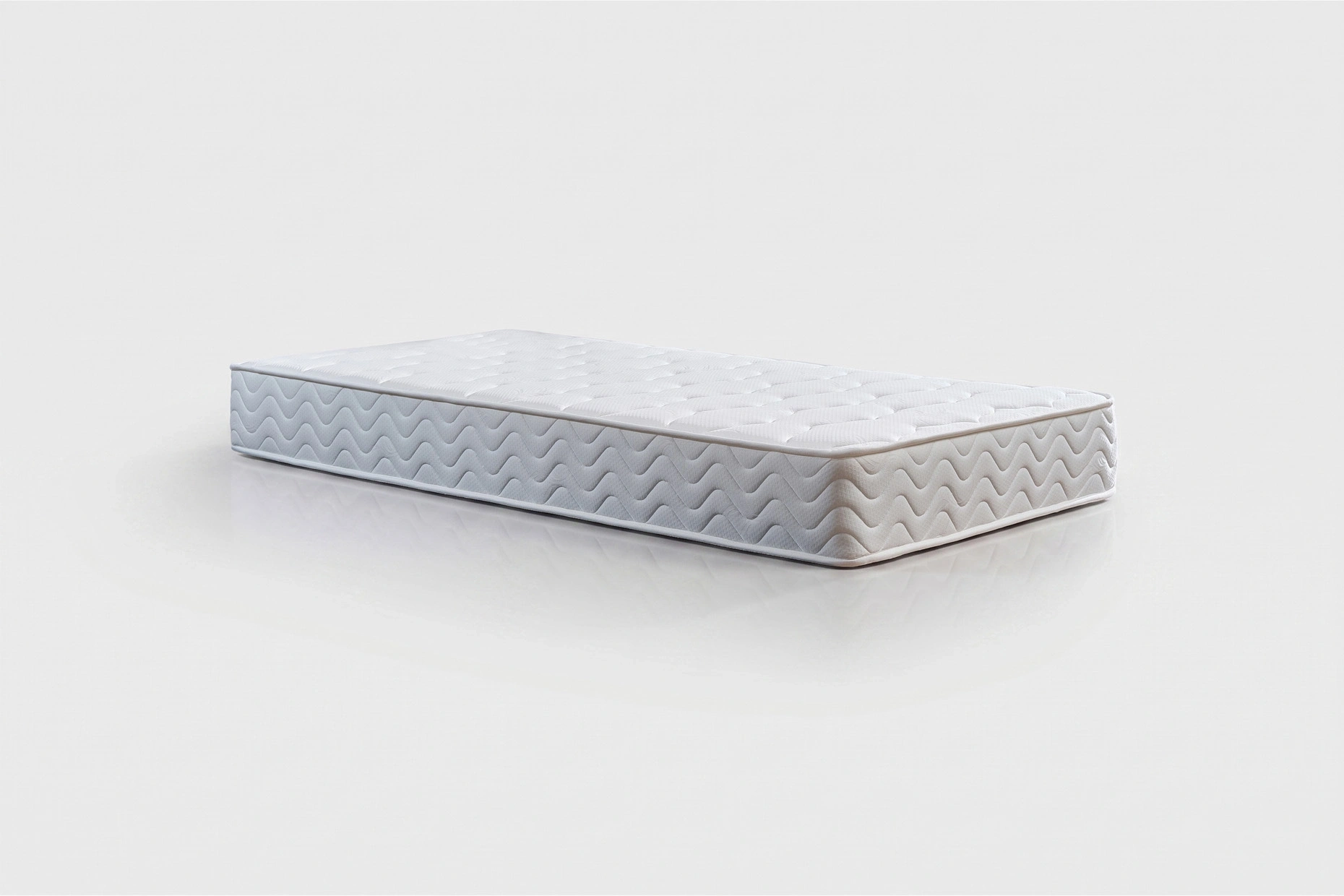
When determining the mattress size, it is not enough to consider only the available space in the room. The user's height, movement habits during sleep, and how many people will use the mattress should also be considered.
The length of the mattress should be more than the user's height and provide a comfortable area where the feet do not hang off the bed. For width selection, it is important not to restrict the movement area when changing positions during the night.
Single mattresses can be used in children’s, youth’s, and adult’s rooms. If the room size is adequate, a wider single mattress can provide more movement space during sleep. Especially for youth room beds that will be used for a long time, future needs of the user should also be considered.
When choosing a double mattress, a width that allows both users to move comfortably should be preferred. If the room size is suitable, wider models can increase personal sleep areas. However, as the bed grows, the measurements of the bed base, headboard, and bedding should also be chosen to match.
You can check these points before measuring:
The interior structure is one of the most important elements that determines the comfort character of the mattress. The spring system, foam layers, surface fabric, and edge supports work together to create the feeling the mattress offers. Therefore, instead of making a decision based solely on touching the top surface of the mattress, it is necessary to examine the technical features of the product.
In pocket spring systems, the springs operate independently. This structure can help in bearing body weight at different points and reducing motion transfer. Particularly in double use, it is an important advantage that one person's movement is less transmitted to the other side.
The foams used in the upper part of the mattress determine the surface’s sense of softness and the level of body contouring. High-density support foams contribute to preserving the mattress's form, while different comfort layers can help distribute pressure evenly across the surface.
The breathability of the mattress fabric is important to balance the heat and moisture generated during sleep. Breathable knitted surfaces can support air circulation around the mattress, creating a fresher sleep area.
The Relax Fit Mattress, with its medium firmness, pocket spring system, high-density support foam, and breathable knitted fabric, is one of the models that can be examined for users seeking a balanced sleep surface. Its zippered and removable cover feature also provides an advantage in terms of ease of care.
Some users warm up easily throughout the night, while others may need a warmer sleep surface. Therefore, when choosing a mattress, the room temperature, bedding, duvet, and the surface technology of the mattress should be taken into account.
Those who warm up easily can lean towards breathable fabrics, ventilated layers, and spring systems supporting air circulation. Users whose comfort expectations change according to the seasons can consider double-sided mattresses with different surface features.
The Thermo Balance Mattress, with its dual surfaces that can be used in summer and winter, aims to adapt to seasonal needs. The fabric supporting the cool feeling on the summer surface and the structure assisting with temperature balance on the winter surface cater to different comfort expectations throughout the year.
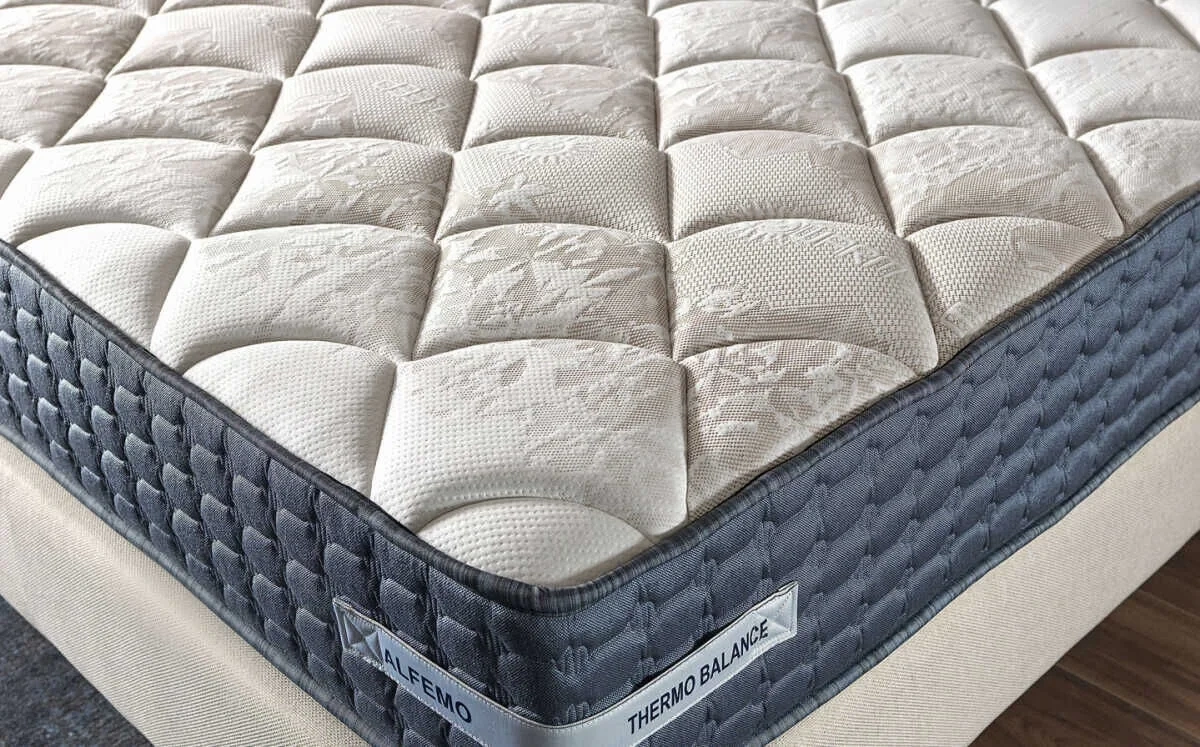
For the support offered by the mattress to be maintained, the bed base or frame where the mattress is placed should also be of an appropriate structure. A bent, broken, or inadequately supporting base can negatively affect the form of the mattress over time. So, when buying a new mattress, the condition of the existing base and frame should be checked.
The dimensions of the mattress and base must be fully compatible. A base smaller or larger than the mattress can affect both the safety of use and the mattress's support performance. Adhering to the manufacturer's recommended carrier surface conditions will help maintain the form of the product for a longer period.
To create a comfortable and cohesive look in the bedroom, bed base models, bed base and headboard sets, and various headboard options can be evaluated together. Storage bed bases can also contribute to using living space more efficiently in rooms where storage needs are high.
When purchasing a mattress, merely sitting on it for a few seconds or pressing it with your hand is not enough. Ideally, you should lie down on the mattress in a position similar to your normal sleeping position to evaluate the support feel in different areas of your body.
Before making a decision, you can ask yourself the following questions:
If two people will be using the mattress, it would be more accurate for both users to participate in the trial and evaluation process. Firmness, motion isolation, and surface temperature expectations should be evaluated together.
The lifespan of mattresses can vary depending on the product's material, frequency of use, user's weight, care, and the base it rests on. Therefore, deciding to replace a mattress based solely on its age is not correct.
The following signs may indicate that the mattress needs to be thoroughly checked:
If one or more of these signs are present, both the mattress and the bed base should be checked. In some cases, what appears to be sagging might not be due to the mattress itself but due to bending or damage on the base surface.
Some mistakes made while selecting a mattress can result in not meeting comfort expectations after purchase. Among these mistakes, the biggest is deciding based solely on price or the initial feel of the mattress.
When choosing the right mattress, rather than focusing on just one feature, you should evaluate your body structure, sleeping position, mattress firmness, support system, size, and sleep temperature expectations together. The ideal mattress should support the natural posture of the spine, evenly distribute pressure, and provide a sleep surface where you can move comfortably throughout the night.
When selecting a new mattress, remember to check the condition of the existing base or frame, compare the mattress size with your room, and evaluate the product as much as possible in your own sleeping position. By exploring Alfemo’s mattress collection with various sizes, support systems, and comfort features, you can compare options that suit your sleep habits and living space.
The right mattress is selected by evaluating body weight, sleeping position, personal firmness preference, mattress size, and surface temperature expectation together. It is important for the mattress to provide balanced support to the shoulder, lower back, and hip areas.
Medium-firm mattresses can be preferred by a wide group of users seeking a balance between softness and support. However, the perceived firmness may vary depending on the individual's weight, sleeping position, and the mattress's layer structure.
Side sleepers can consider mattresses that balance the pressure in the shoulder and hip areas and conform to body contours. On a surface that is too firm, discomfort may be felt in these areas.