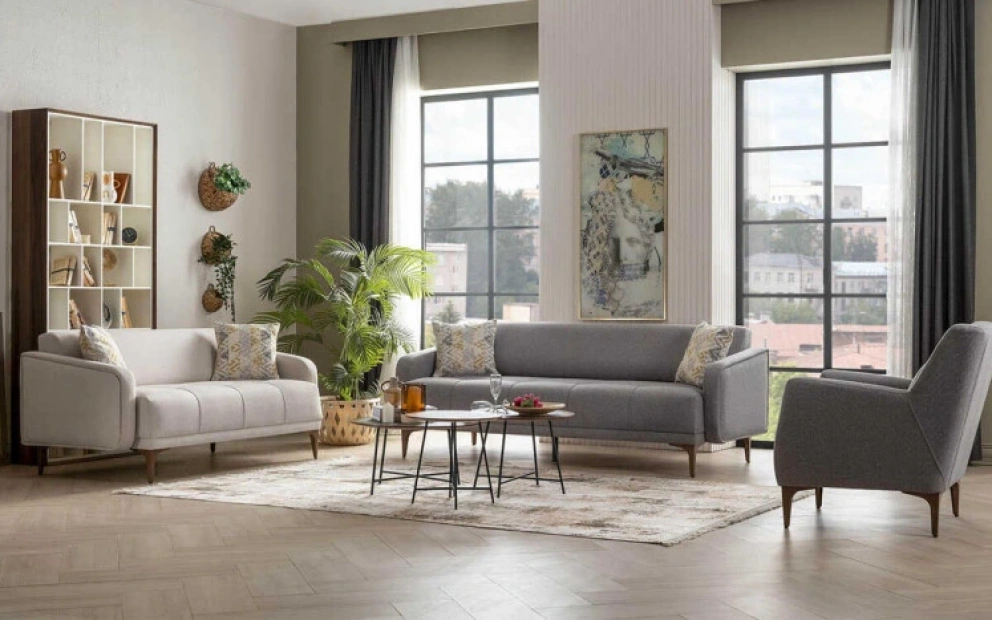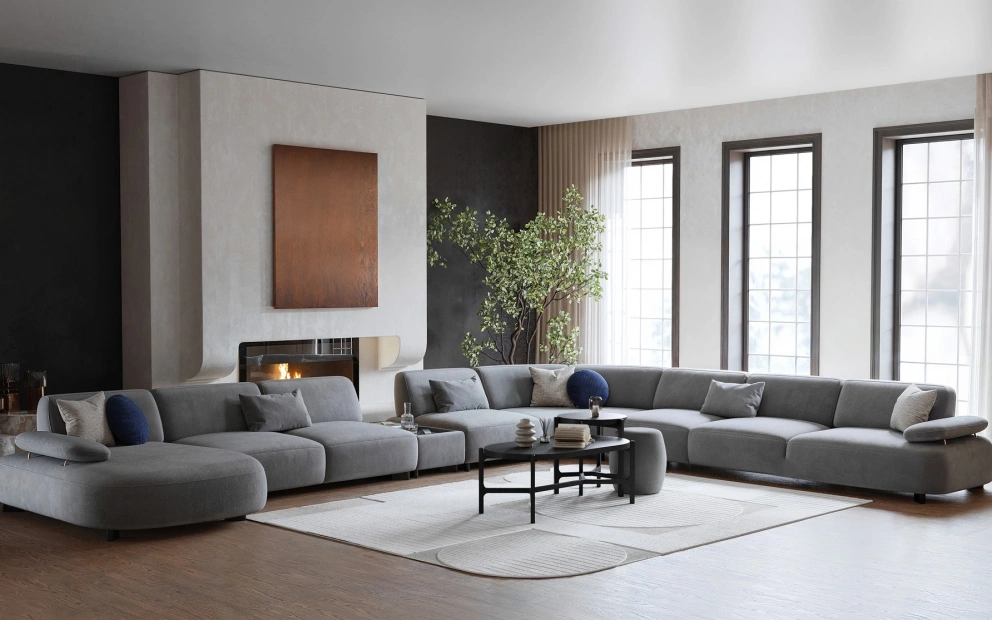
Layered decoration is one of the most effective decoration approaches that add depth, warmth, and visual integrity to living spaces in modern homes. This style, which emerges from the balanced use of furniture, color, texture, textiles, lighting, and accessories, makes the home look richer, more comfortable, and more lived-in.
When doing layered decoration in modern homes, the aim is not to fill the space with unnecessary items; it is to ensure that each piece contributes meaningfully to the space. When a well-chosen sofa set, a complementing coffee table, a balanced TV unit, soft textiles, and warm lighting come together, the living space becomes much more inviting.
Layered decoration is the balanced combination of different surface, color, material, texture, and light elements in a living space. In this approach, furniture is not evaluated alone; it is considered together with rugs, curtains, lighting, tables, wall decorations, cushions, accessories, and storage solutions.
For example, instead of leaving a simple living room with only a sofa and a table, supporting it with a soft-textured rug, cushions in natural tones, a lamp providing warm light, and balanced accessories creates a layered look in the space. Thus, the area gains a more aesthetic and warmer character.
For layered decoration to look successful, every detail must be connected. Using too many pieces alone does not create a layered look. The important thing is the balanced planning of color, size, texture, and purpose of use.
The use of color in layered decoration is quite important. Using different tones of a single color provides a calm but effective depth in modern homes. Beige, cream, gray, taupe, light brown, anthracite, and natural wood tones provide a strong basis for creating a layered look in modern decoration.
In large areas like the living room, choosing the main furniture color more calmly and adding auxiliary colors with cushions, rugs, paintings, or accessories gives a more balanced result. Thus, the space gains movement and a seamless entirety without straining the eye.
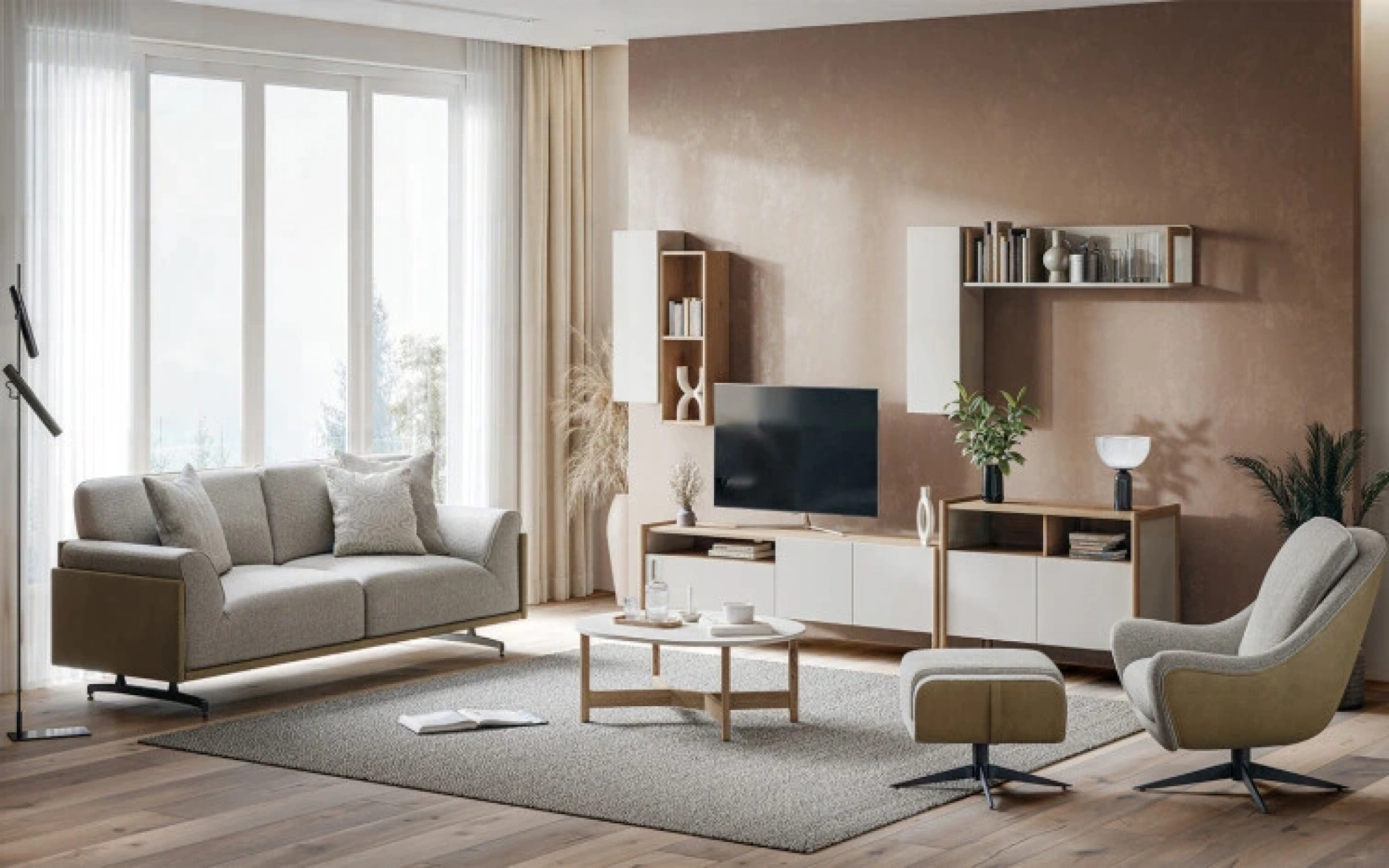
At the core of layered decoration is the correct furniture arrangement. While large furniture forms the main character of the space, complementary pieces strengthen this character. In living room decoration, pieces like the sofa set, coffee table, TV unit, armchair, and side table should appear as parts of the same decoration language rather than separate entities.
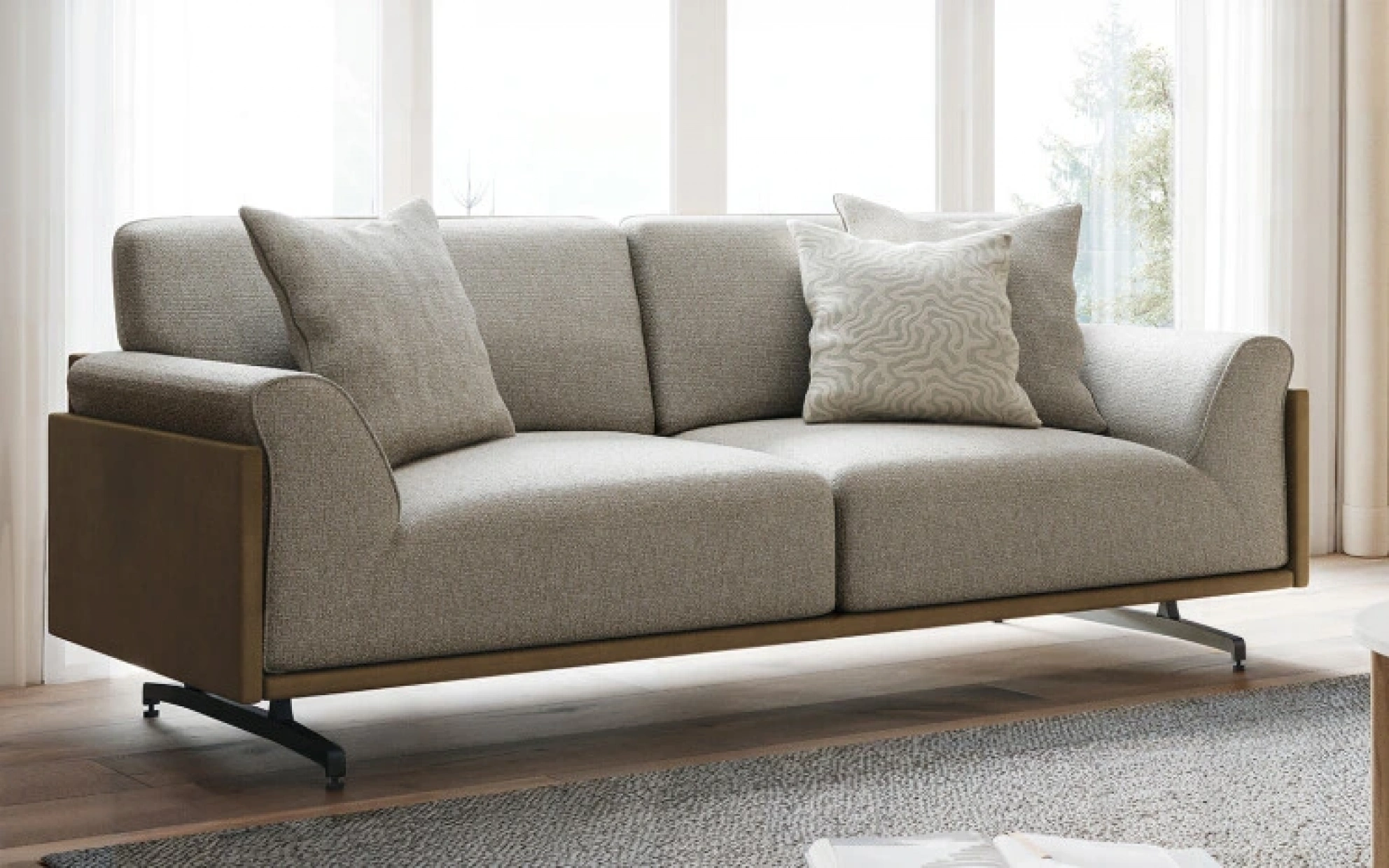
To create a modern living room, sofa set models with simple lines can be preferred. If a wider seating area is desired, corner sofa options can make the area more cohesive and functional.
Instead of placing all furniture against the wall in the living room arrangement, creating an arrangement centered around the seating area offers a warmer atmosphere. Leaving enough space between the coffee table, sofas, and TV unit is important for both ease of use and visual balance.
Textile products are the most practical and effective parts of layered decoration. Products like rugs, curtains, cushions, sofa throws, and bedspreads add both color and texture to the living space. Especially in modern homes, textile layers play a strong role in making simple furniture appear warmer.
In modern homes, a single ceiling light is often insufficient. In layered decoration, lighting should be considered as general light, task light, and ambient light. While ceiling lighting provides general light, floor lamps, wall sconces, table lamps, or indirect lights add warmth and depth to the space.
Especially in areas like the living room and dining room, using warm light shows the texture of the furniture better. A delicate pendant lighting over the dining table or a floor lamp placed in the living room corner creates a strong layering effect in the decoration.
The living room is one of the most visible areas of layered decoration. Here, the main furniture, complementary pieces, textiles, and accessories should be planned together. While the sofa set forms the centerpiece of the living room, the coffee table, TV unit, rug, and lighting complement this center.
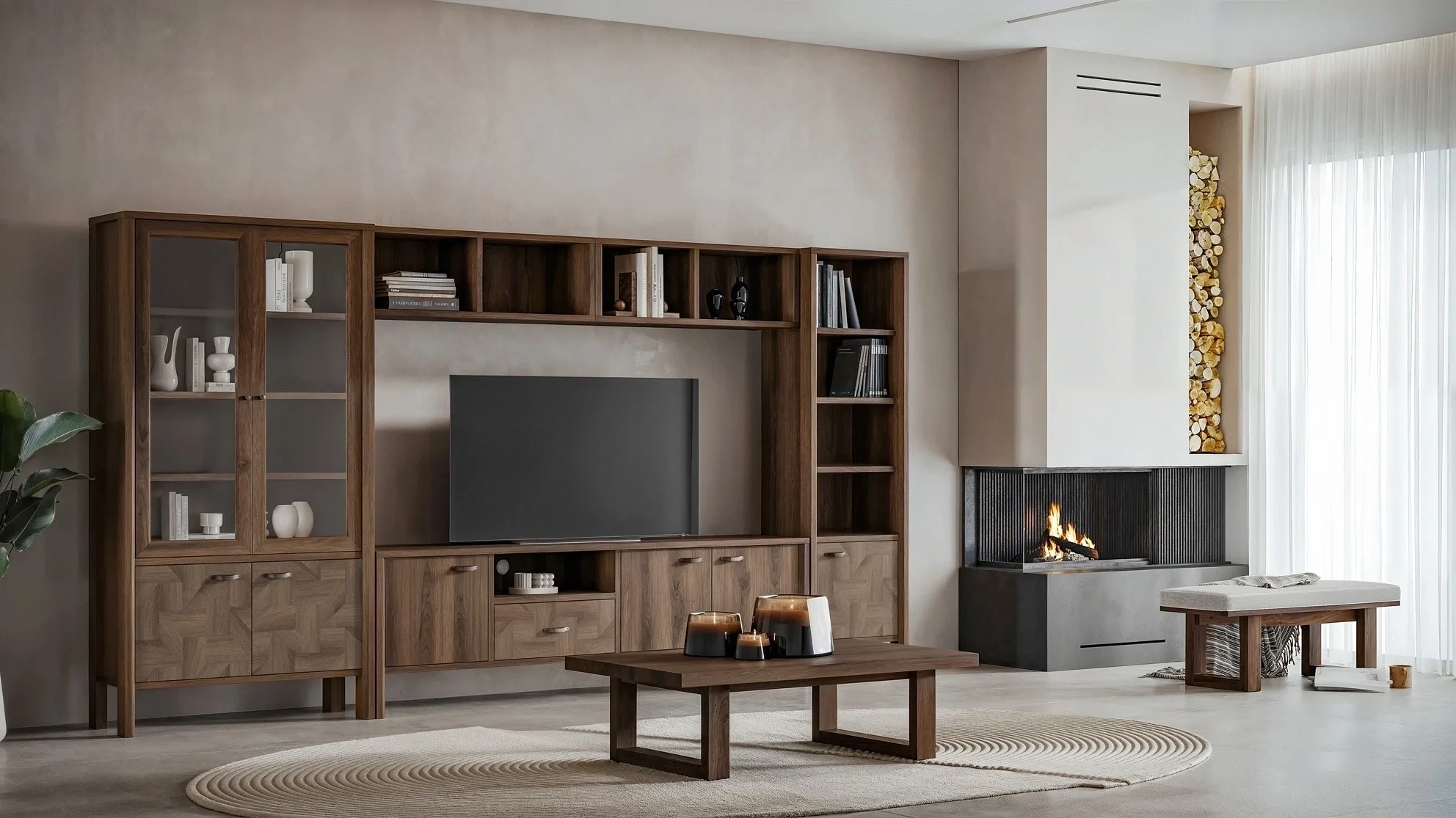
Choosing a simple yet characterful model for the TV unit strengthens the overall balance of the living room. Using a few books, ceramic objects, or plants around the unit offers a more lived-in look without crowding the space.
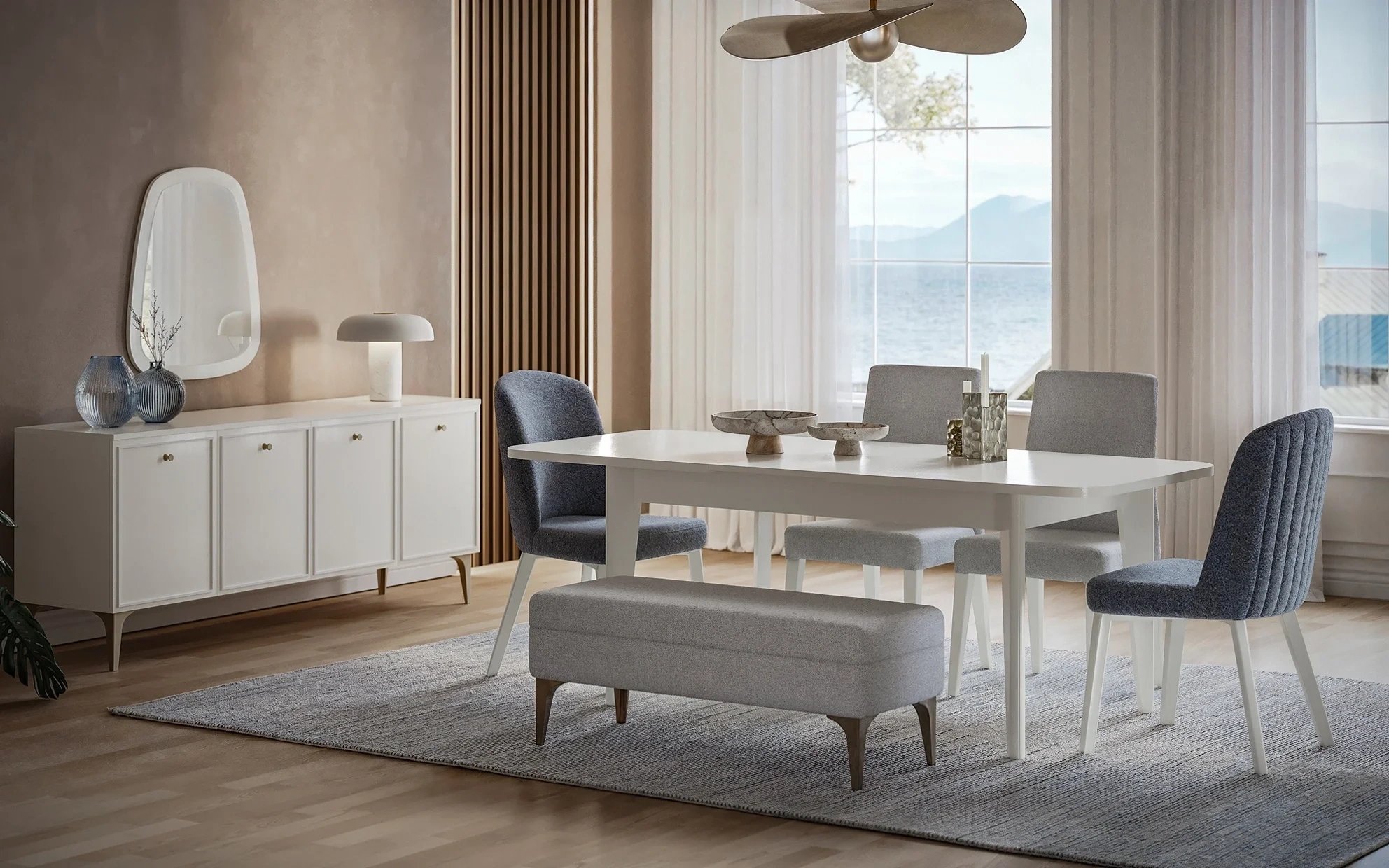
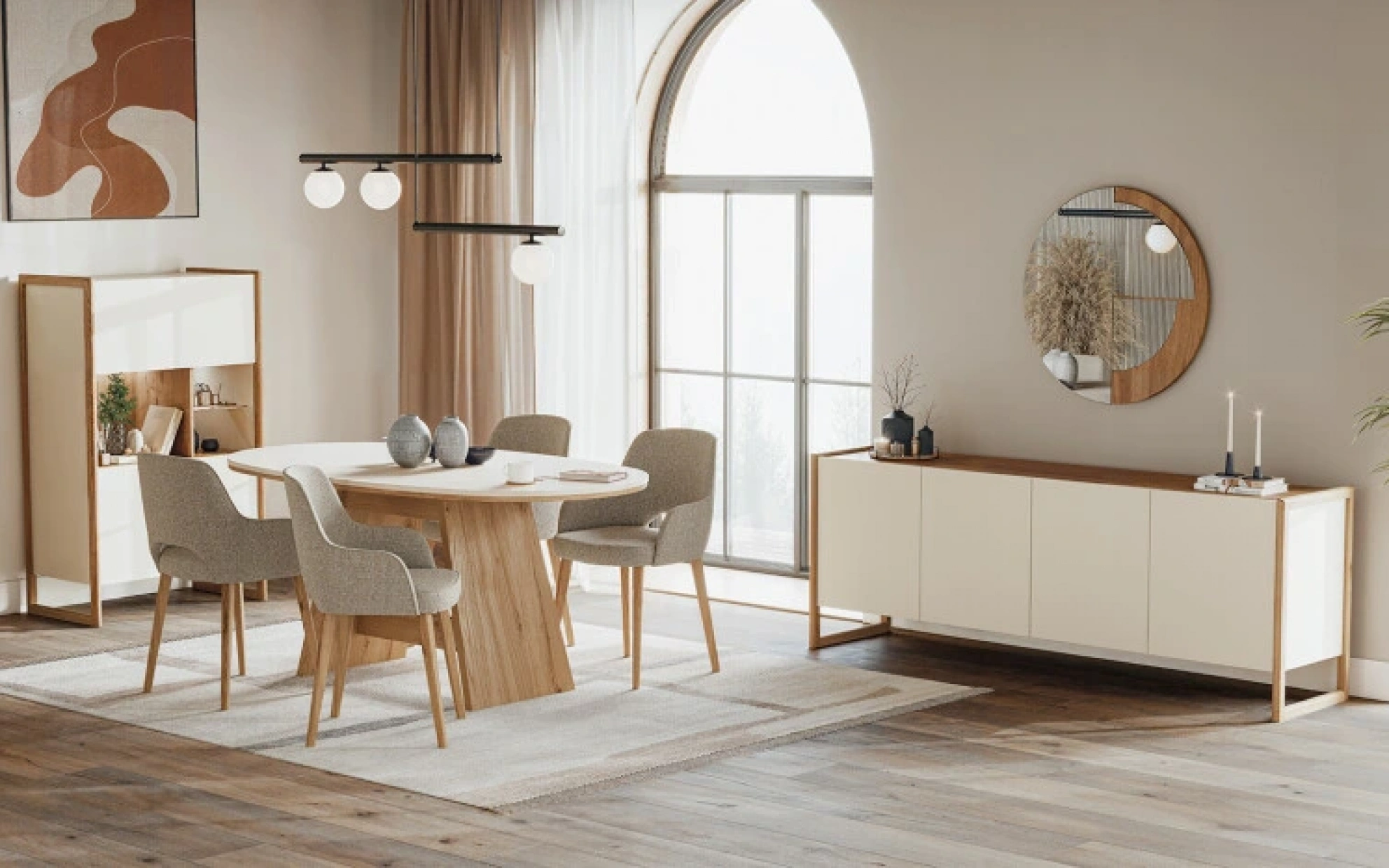
In the dining room, layered decoration is formed by the harmonious combination of the table, chairs, console, lighting, and wall decoration. Instead of many accessories in this area, using selected and functional pieces gives a more stylish result.
In dining room decoration, after determining the main style of the table and chairs, the area can be enriched with supportive pieces like a console, mirror, painting, and lighting. Wooden surfaces, fabric chairs, and warm lighting strengthen the layered atmosphere in the dining room.
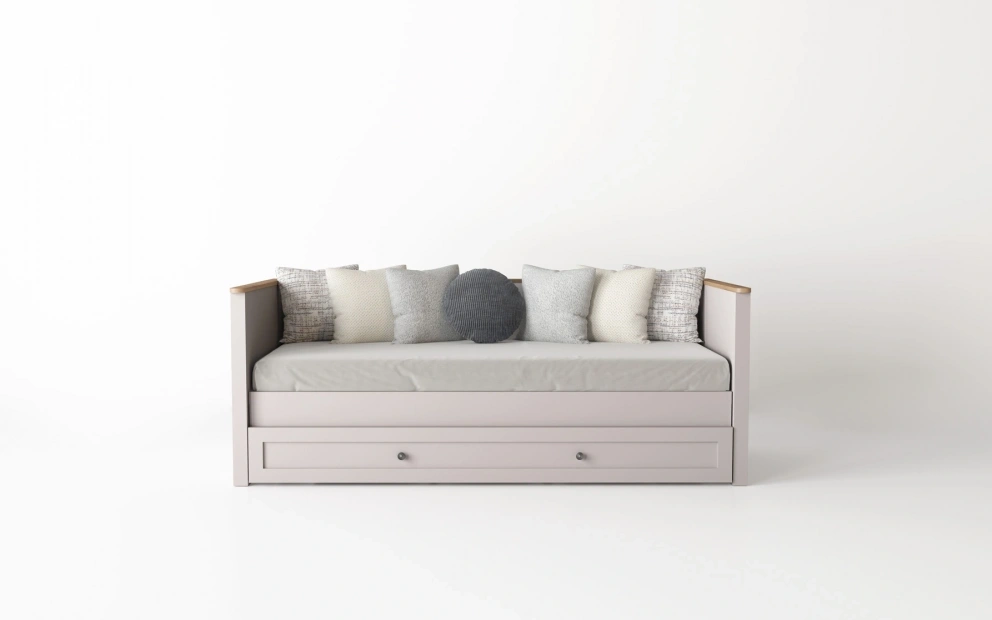
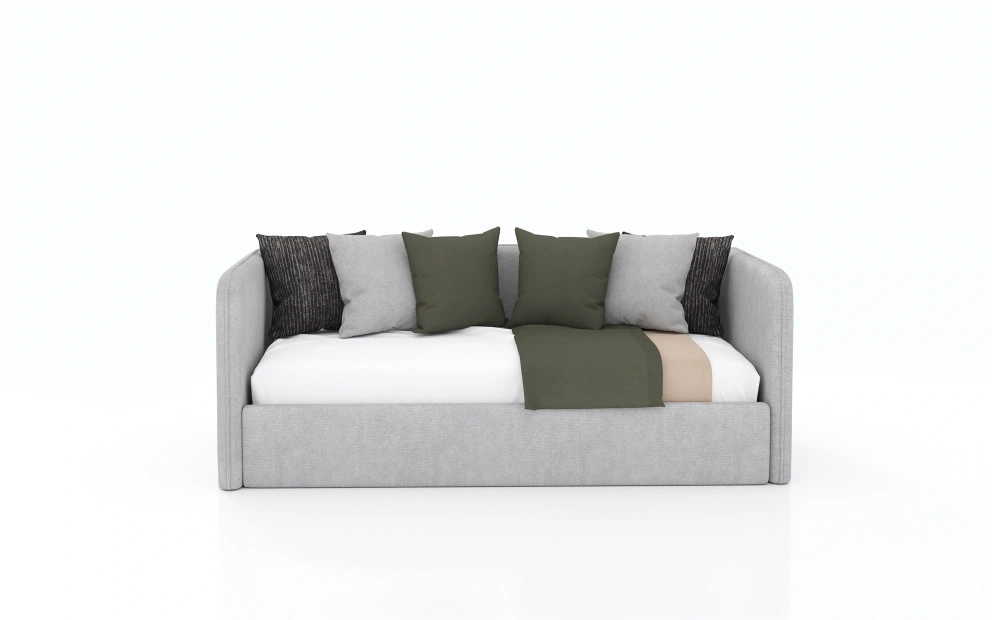
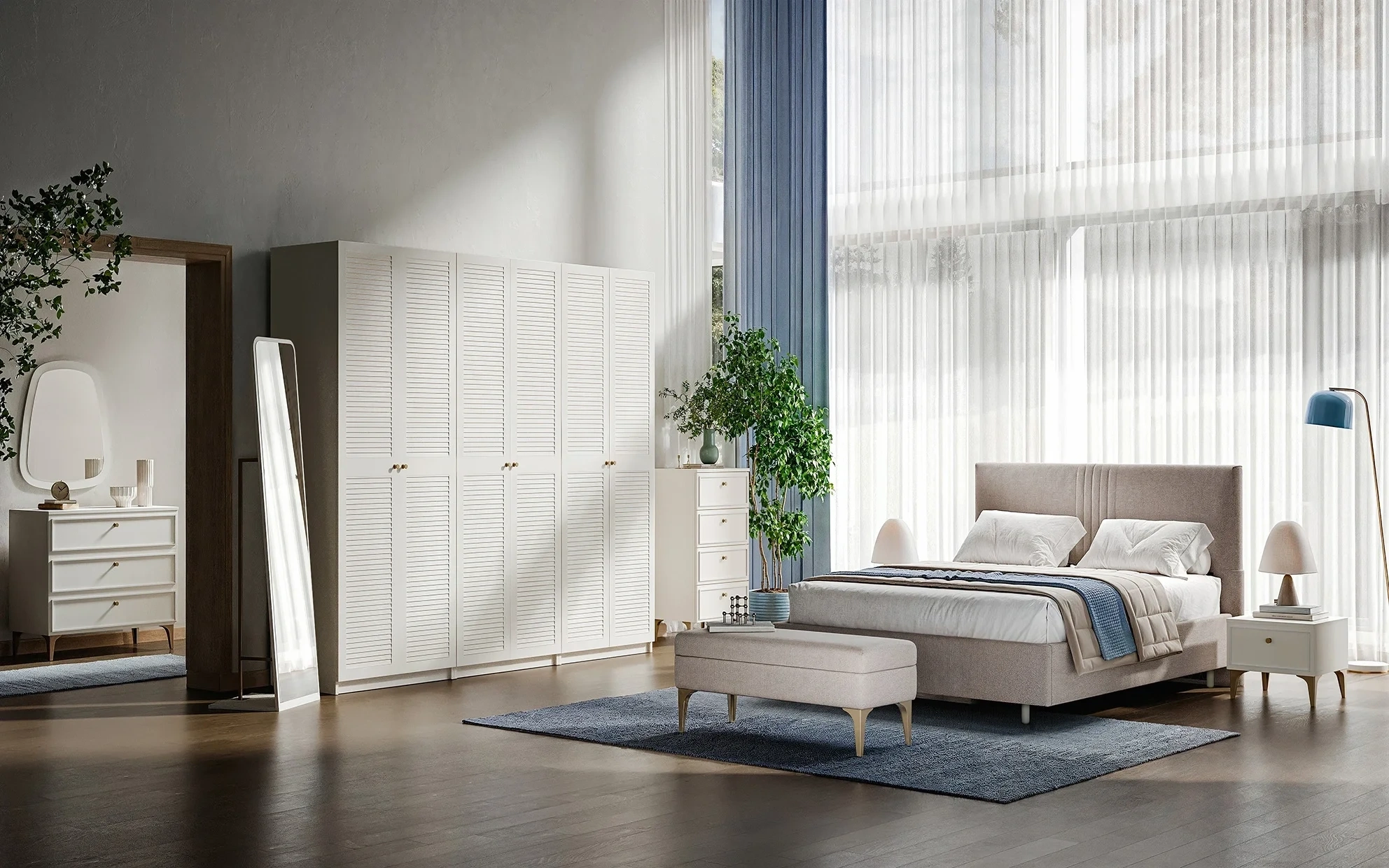
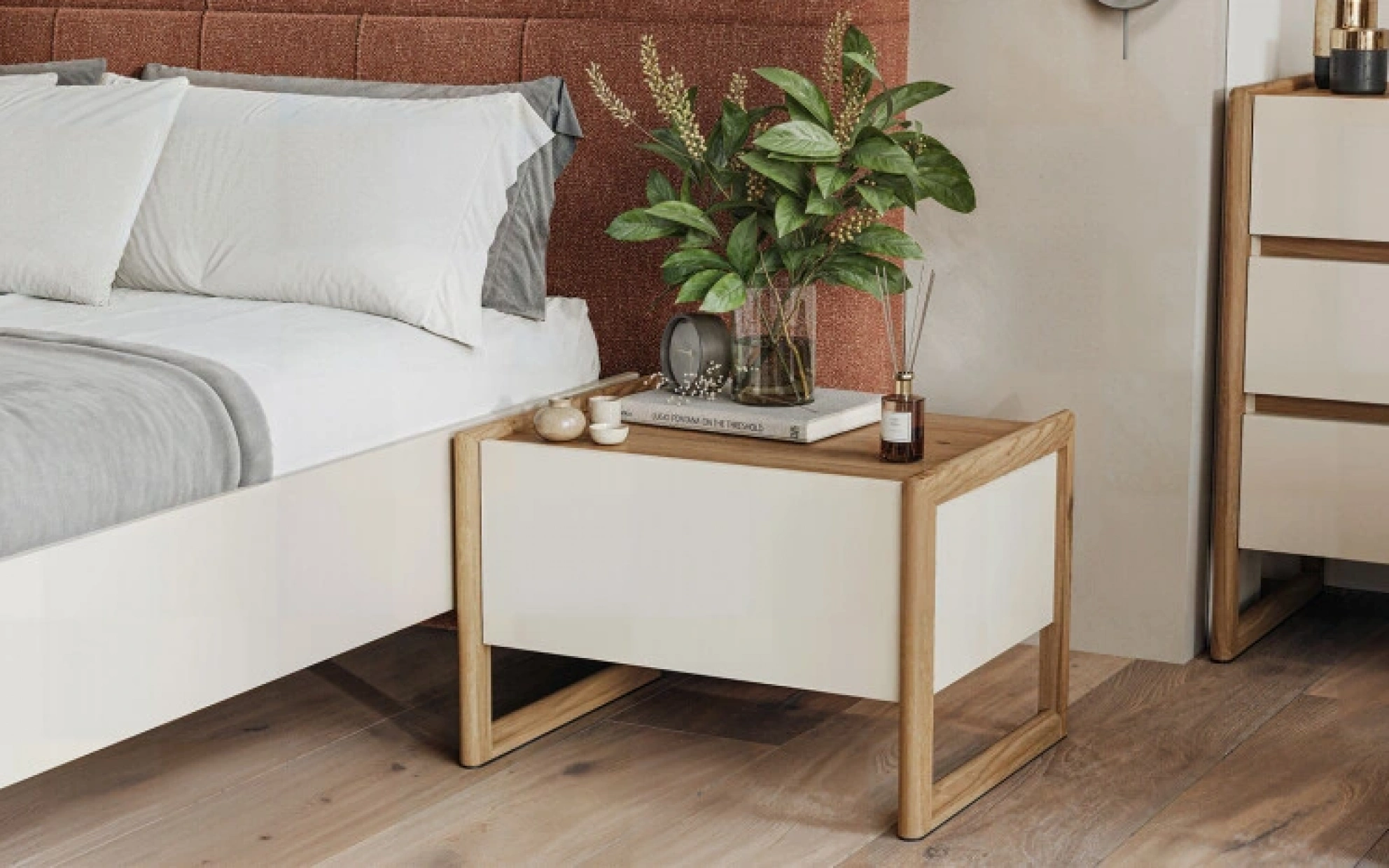
Layered decoration in the bedroom is important for creating a peaceful and relaxing atmosphere. In this area, the choice of textiles and lighting, as well as furniture, are decisive. The headboard, nightstand, wardrobe, rug, curtains, and bed textiles should be considered together.
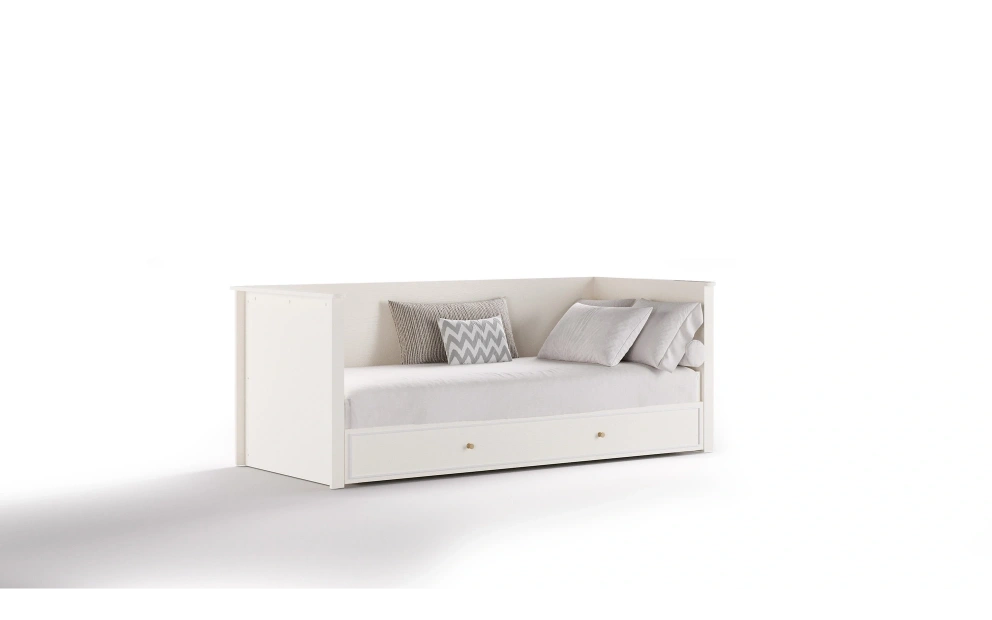
When bedroom decoration favors neutral colors and natural textures, the area appears calmer. Using different pillow sizes, a soft throw, and textured textiles on the bed creates a warm layering effect in the room.
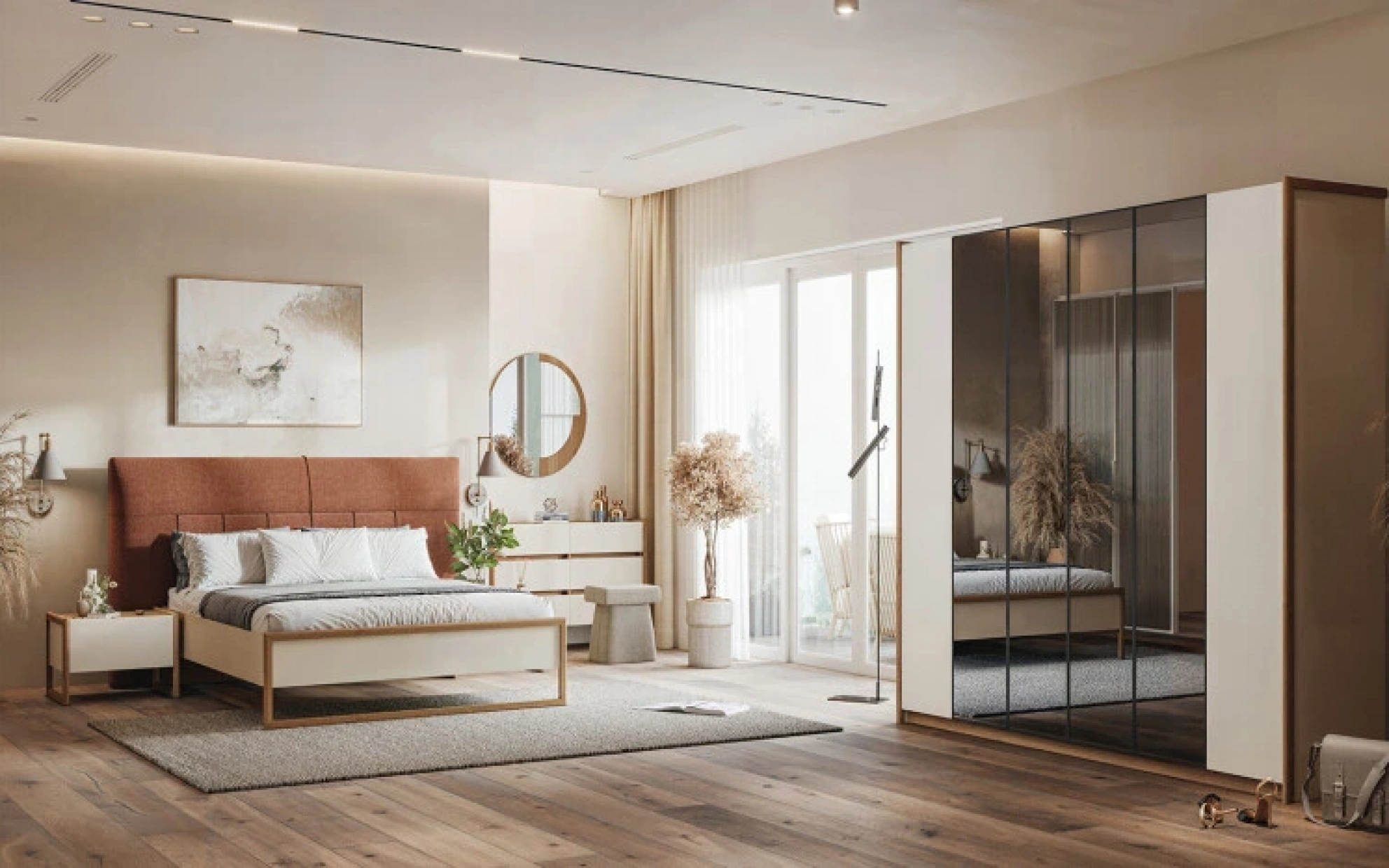
In the bedroom, besides ceiling lighting, bedside lamps or indirect lights can be used. Thus, the room becomes not only functional but also has a more peaceful and inviting atmosphere.
Accessories are the finishing touches of layered decoration. However, the goal here is not to use too many objects, but to position the right pieces in the right places. A few books, a small vase, and a naturally textured object on the table may suffice.
A large mirror, a simple painting, or ceramic objects can be used on the console. If there are open shelves around the TV unit, a balanced look can be created with books, plants, and small decorative pieces.
When correctly applied, layered decoration makes the living space look richer; however, using too many details can lead to a complex appearance. Therefore, every piece should be selected consciously.
Alfemo’s furniture options for living spaces help plan different areas as a whole when creating layered decorations. Sofa sets, TV units, and tables for the living room; tables, chairs, and consoles for the dining room; wardrobes, bedframes, and nightstands for the bedroom, when considered together, strengthen the general decoration language of the home.
For a successful result in layered decoration, furniture should be considered not individually but as part of a living space setup. Alfemo’s modern furniture collections make it easy to create balanced, stylish, and functional areas in every part of the home with options suitable for different tastes.
In modern homes, layered decoration is one of the effective ways to make living spaces warmer, more balanced, and more characterful. With the harmonious use of color, furniture, textiles, lighting, and accessories, even a simple area can gain a much richer atmosphere.
To create the right layers in the living room, dining room, and bedroom, it's essential to make measured choices, incorporate natural textures, and consider the harmony of each piece with each other. Thus, your home looks not only stylish but also transforms into a more comfortable and inviting living space.
Layered decoration is the use of furniture, color, texture, textiles, lighting, and accessories in harmony to add depth to a living space.
Yes, it can be applied. In small homes, using fewer but effective pieces, along with light colors and proper lighting, can achieve a layered yet airy look.
Beige, cream, gray, taupe, light brown, and natural wood tones are ideal colors for modern layered decoration. Accent colors should be used in small details.
In living rooms, the sofa set, coffee table, TV unit, rug, curtains, cushions, and lighting should be considered together. Each piece should support the same decoration language.
The most common mistake is using too many colors, patterns, and accessories while trying to create a layered look. This can make the space look crowded instead of rich.